Ronaldo leaves national team and challenges Jesus's authority
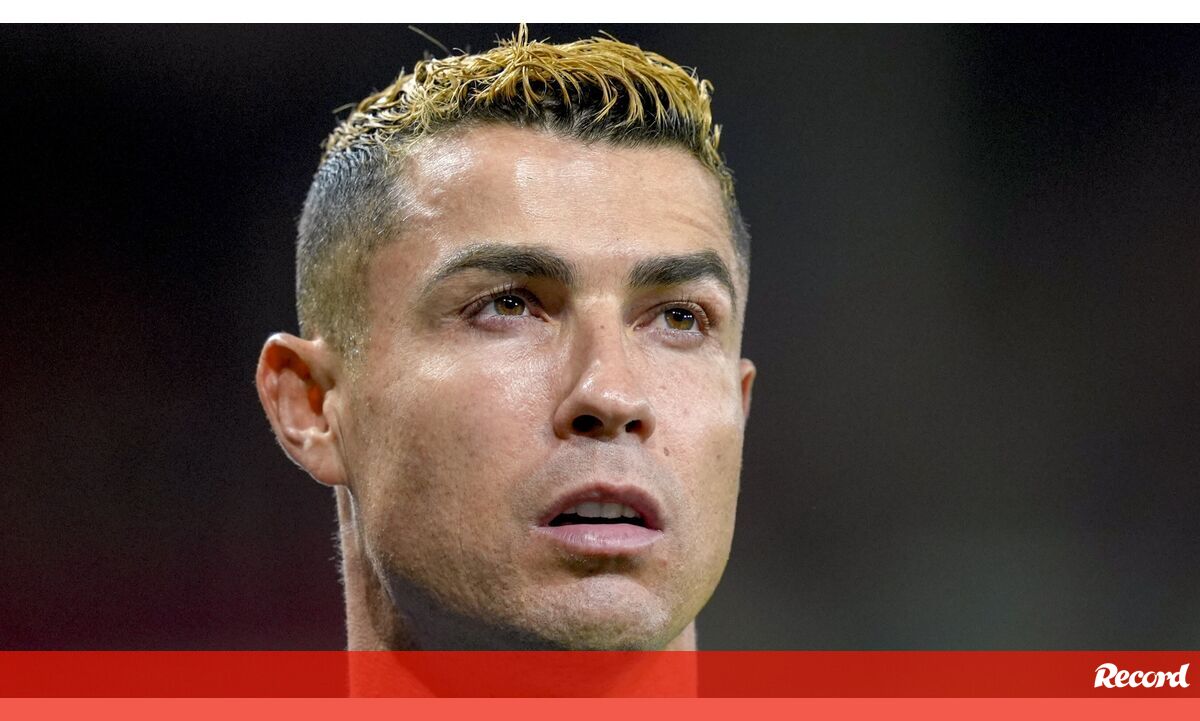
Photo: Record_Portugal
Cristiano Ronaldo and the Portuguese Football Federation have confirmed his departure from the national team camp ahead of the clash with Denmark. The captain's decision prompted Pedro Proença to travel immediately to Copenhagen, cancelling his previously planned attendance at the under-21 match. Coach Jorge Jesus had already indicated Gonçalo Ramos as the likely starter for the fixture.
What happened
Tension mounted following the match against Norway, which came after Portugal's victory over Wales. Cristiano Ronaldo was an unused substitute in Oslo and left the pitch visibly frustrated, failing to acknowledge Portuguese supporters present at the stadium.
Official confirmation of his withdrawal came after both parties confirmed the player's departure from the senior squad's work. With the forward out of camp, Gonçalo Ramos emerged as the choice outlined by the coaching staff to lead the offensive sector in Danish territory.
The severity of the incident forced direct intervention from federation officials. Pedro Proença gave up on accompanying the under-21s to make an emergency trip to the Danish capital, seeking to manage the situation before the international fixture began.
What each side wants
On the tactical front, Jorge Jesus sought to downplay extreme interpretations before the departure materialised, publicly asserting the normality of training sessions. The coach asserted his authority: "Status does not give players the right to be treated differently from others. Status means respecting their career. I always raise the question, I outline a plan with the player, but I make the final decision. They know that. Anyone who has worked with me knows it, everyone knows it, even the presidents know it. At a club, the president makes decisions; in the team, I do. With the players, it's the same."
Regulatorily, the federation's position confronts the strict wording of its own legal framework. The FPF's Disciplinary Regulations establish heavy sanctions for this type of disciplinary misconduct within representative duties.
Indeed, the regulatory article stipulates that "absence or abandonment results in the automatic precautionary suspension of the player as provided for in this regulation." Beyond immediate prohibition, the regulatory framework prescribes an effective suspension ranging from one to six months, supplemented by a fine of 5 to 10 Accounting Units for professional athletes.
Why this matters
The case embodies one of the most sensitive fracture points in contemporary international football: the coexistence between a coach's leadership and the influence of players with accumulated institutional weight. In many elite sports structures, dressing room management ceases to be strictly tactical and begins to test the operational authority of coaches.
For the federation, the situation carries considerable reputational and disciplinary risks. Failure to enforce existing rules weakens institutional power and opens the door to perceptions of special regimes. On the other hand, pursuing formal punitive procedures could crystallise internal fractures within a dressing room actively engaged in sporting competition.
What comes next
On the immediate sporting front, the national team maintains a stable position, leading Group A4 of the Nations League with six points. This points margin gives the coaching staff some leeway to respond competitively in the captain's absence.
On the legal and administrative front, the process depends on the formal steps the Portuguese Football Federation decides to take. Should the disciplinary framework be activated in literal terms, the application of precautionary suspension and the subsequent one to six month punishment period, accompanied by a fine, will determine the definitive balance of power between tactical autonomy and player influence in the Portugal team.
Rewritten from a story published by Record_Portugal. View original article ↗
AI-assisted translation of the original article in Portuguese. Read in Portuguese