Van Dijk denies tactical influence and shifts blame to collective failure
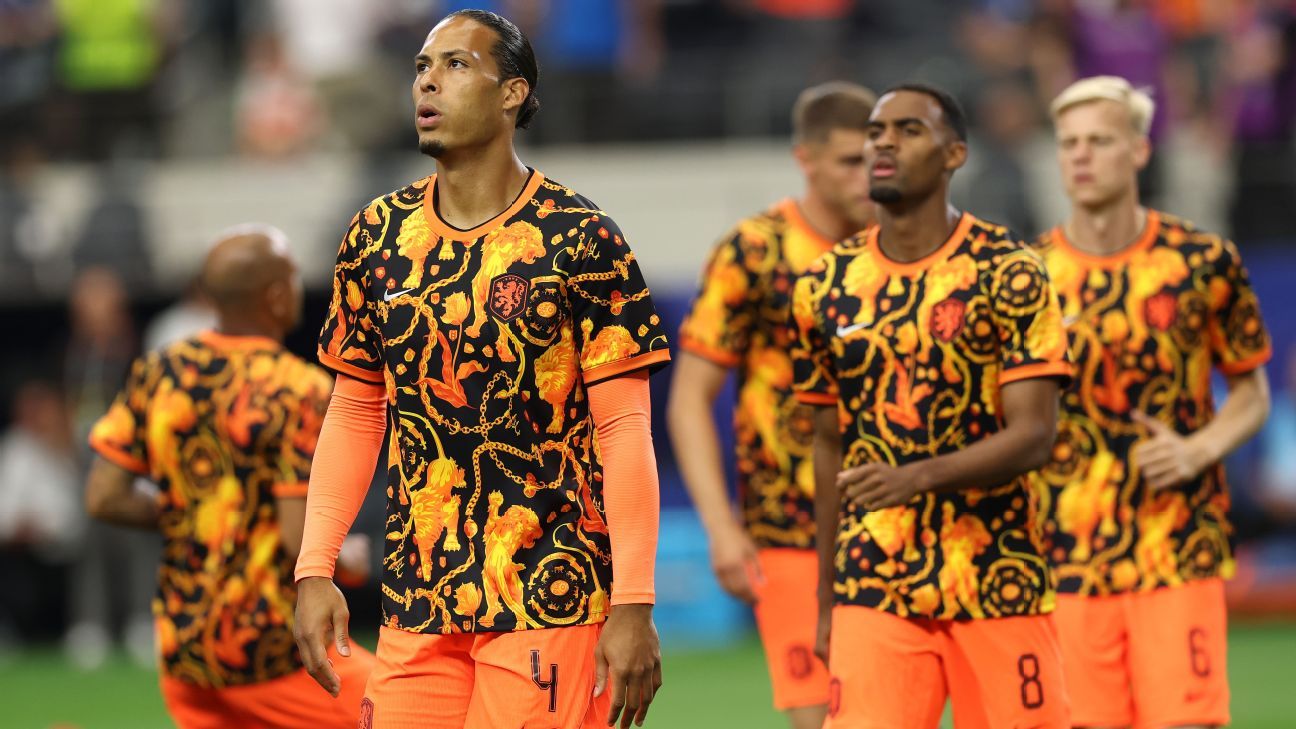
Photo: ESPN.com
Virgil van Dijk refused to accept any responsibility for the tactical choices that defined the Netherlands' World Cup campaign. Liverpool's centre-back dismissed as "absurd" the suggestion that he had influenced manager Ronald Koeman, particularly denying that he had proposed the five-man defence system that became central to debate about the team's failure. The captain's stance reveals a fundamental tension in modern sport: the difficulty in reconciling collective blame with tactical reality.
What happened
The Netherlands were eliminated by Morocco in the World Cup round of 16. The defeat left Van Dijk considering whether he should reshape his international future, a moment that marked a crisis of confidence in the national team. However, a meeting with new manager Xavi prompted him to continue. During a recent press conference, Van Dijk directly confronted criticism pointing him as an influencer of Koeman's defensive decisions, using forceful language to refute them.
The pieces of the puzzle
Van Dijk maintains that the tactical plan worked for 89 minutes, according to his account. When confronted with accusations of having participated in defining the defensive strategy, he responded firmly: "That is utter nonsense". His argument centres on a clear division between tactical responsibility (the coach's) and collective execution. "The fact is we simply failed at the World Cup. Those are the hard facts", he stated, shifting focus to a general failure of the group.
Yet van Dijk acknowledged the importance of the internal dynamic with the new manager. When asked what Xavi had said, he replied: "What he said? That I am Virgil van Dijk. It is about trust, appreciation, how important you are for the team." This response suggests that international continuity was negotiated around relational and personal trust factors, not merely tactical analysis. Koeman, meanwhile, designed the defensive structure that became the target of criticism, but remains absent from this public debate.
The critics pointing the captain as an influencer of defensive options remain invisible in public discourse. Van Dijk denies participation in strategic decisions, but that denial occurs in a context where a centre-back aged 35 has been a central figure in the national team for years. The underlying question remains: can captains with such weight in the dressing room genuinely be oblivious to the tactics that involve them?
Why this matters
Captains rarely admit to influencing tactical choices, even when they occupy central positions on the pitch and in the group hierarchy. The reputational risk is clear: accepting tactical influence in case of failure is approaching blame. Van Dijk avoids this trap by arguing a separation between what Koeman decided and what the squad executed. In modern football, collective responsibility has become a language that allows leaders to refuse individual blame without appearing evasive.
But there is a deeper question. If a captain of a major national team remains truly unaware of the tactics involving his position, it raises questions about intellectual leadership in elite sport. Van Dijk asserts this separation clearly, perhaps because admitting otherwise would damage not just the Netherlands, but his own reputation at 35.
What comes next
The Netherlands face four Nations League matches. For Van Dijk, these games represent a real test of his relationship with Xavi and the viability of his continued involvement. The captain could reach 100 caps if he features in all these matches, a symbolic milestone suggesting careers in transition. The Nations League offers moderate pressure, an environment where tactics are genuinely testable without the monumental weight of the World Cup. If Van Dijk and the Netherlands find defensive consistency under Xavi, the narrative about tactical failure in Qatar will be rewritten. If they remain erratic, discussion about who influenced what will inevitably resurface.
Rewritten from a story published by ESPN.com. View original article ↗
AI-assisted translation of the original article in Portuguese. Read in Portuguese