Putellas and Kerolin reshape power in European women's football
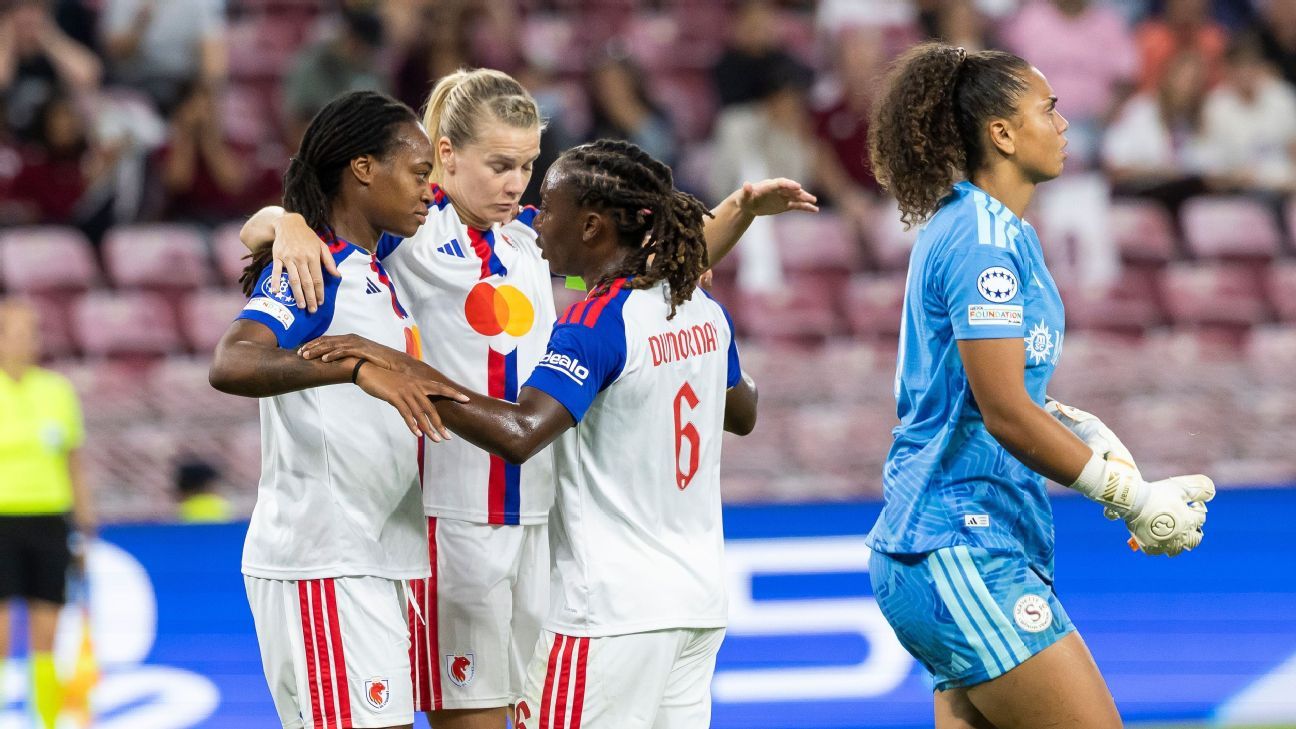
Photo: ESPN.com
Barcelona won 5-2, Lyon thrashed 8-0, and two seismic transfers rewrite power in European women's football. Wednesday marked the start of the Women's Champions League 2024-25 with a clear signal: the hegemony of two giants is porous. Alexia Putellas left Barcelona for London, and Kerolin arrived at Manchester City from a context she now tests on Europe's most demanding stage.
What happened
Barcelona hosted Paris FC and won 5-2, with clear dominance at half-time (4-1) despite a Paris goal in the fifth minute. Lyon faced Servette, the Swiss champions from the previous season, and dismantled them outright: 8-0. Marie-Antoinette Katoto scored three goals in the 28th, 40th and 47th minutes—a hat-trick that summed up the disparity. Laia Ballesté put through her own goal in the eighth minute, Melchie Dumornay scored from the penalty spot against Jacintha Weimar, and Magdalena Sobal scored another own goal in the 68th.
Chelsea defeated Austria Vienna 1-0, with Wieke Kaptein scoring in the 11th minute. Roma and OH Leuven drew 0-0, with Marta Pandini missing a penalty in the closing moments. Barcelona and Lyon continue to win by margins that suggest continuity, but the scorelines conceal a more complex truth: the first round left scars.
Kerolin entered the Barcelona-Paris FC conversation by equalising in the 18th minute, shortly after arriving from Manchester City. Her goal sums up the uncertainty that now hangs over the format: top players are no longer bound to a single hegemonic bloc.
The pieces on the board
Barcelona remain as the trophy's defending champions, captured less than a year ago when they beat Lyon 4-0 in Oslo in May. Lyon have won eight titles and Barcelona are building an empire that already rivals that of the French side. But both have vulnerable structures.
Putellas left Barcelona with two Ballon d'Or awards in her luggage—a prize that marks not just a player, but a symbol of dominance. She now heads for the colours of London City Lionesses, a transfer that redistributes power across the continent. Kerolin arrived at Manchester City from a less centralised context and has already scored against Barcelona in the opening round, a sign that new talent aggregators are beginning to bite.
Servette, Swiss champions, returned to the Champions League after five years away. The 8-0 thrashing by Lyon is a merciless portrait: not even local experience guarantees survival in a league of 18 teams where only the top escape.
Why this matters
Putellas's departure is more than a summer transfer episode. It represents the first concrete sign that Barcelona is not immune to competitive attrition. Two Ballon d'Or awards encapsulate a type of leadership most clubs only dream of: the player who lights up decisive nights. Her presence in London forces Manchester City, Chelsea and others to think differently over the next two rounds.
Kerolin at Manchester City is symmetrical: it is the repositioning that drains depth from a project in construction and offers it to those who already have foundations. Thursday's thrashings reveal that the competitive balance has shifted, but has not yet moved—Barcelona and Lyon won—only begun to fragment.
February and March are the critical months. The schedule determines that only the top-4 advance directly to the quarter-finals in March. Positions 5-12 contest playoffs in February, two legs. A difference of one win across six rounds can mean the difference between a straight path and an unexpected elimination.
What comes next
The league phase unfolds over six rounds. Barcelona and Lyon begin as favourites, but the transfers of Putellas and Kerolin have created instability. The battle for the lead intensifies. Direct qualification for the quarter-finals is decided by December—precisely: 16 December marks the deadline to guarantee top-4 without playoff anxiety.
The next matches define who leads the initial standings. Chelsea, Roma, Manchester City, Servette and others will have to react to the opening round with more aggressive proposals. The 18-team format offers scope for recovery, but the deficit accumulated in heavy defeats is hard to compensate for. The women's competition has gained scale, legitimacy and, now, genuine uncertainty.
Rewritten from a story published by ESPN.com. View original article ↗
AI-assisted translation of the original article in Portuguese. Read in Portuguese