Manchester City's spending spree becomes European football's biggest financial scandal
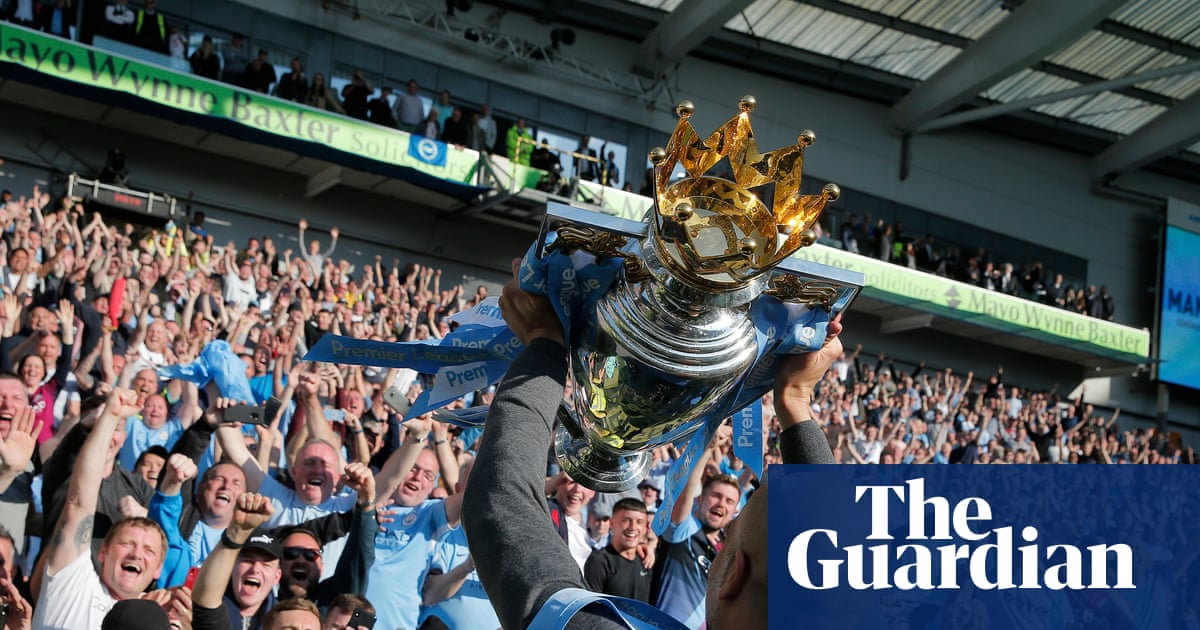
Photo: The Guardian
Manchester City confronts the most serious financial allegations in recent European football history. The Premier League has identified contractual breaches stretching across almost a decade—a span during which the club deployed unmatched resources to reshape its squad. Sports arbitration has already intervened: a two-year Champions League ban was overturned, yet the disciplinary process remains active and the scale of alleged irregularities forces a reckoning over competitive balance and regulatory oversight across the continent.
What unfolded
Hacker Rui Pinto played a crucial role in exposing Manchester City's financial dealings, releasing documentation that illuminated the club's internal operations. The Premier League formalized its case around contractual violations that span nearly a decade. Roberto Mancini, Pep Guardiola's predecessor as manager, reportedly collected a second salary from Abu Dhabi while managing City—a structure that fits into the broader financial architecture now under investigation.
Guardiola spent ten years running Manchester City operations throughout this period of mounting accusations. Ferran Soriano, as the organization's chief executive, orchestrated the structural decisions that defined this era. A Prime Video documentary captured the working relationship between Guardiola and the club's leadership, offering glimpses into the internal culture during segments of this timeframe.
The numbers tell the story
Manchester City's spending differential against rivals sits at the heart of the case. From 2016 through 2018, City outpaced every competitor in transfer investment, building an advantage of remarkable proportions. The gulf between City and Manchester United's outlays reached approximately 400 million pounds across this window.
The spending pattern grew even more extreme when Liverpool and Arsenal were combined: City invested five times the total of both clubs together during the same period. One instance exemplifies this resource concentration: the additional outlay on Kevin De Bruyne amounted to 25 million pounds, reflecting how systematically the club channeled its financial firepower.
Mancini received compensation sourced from Abu Dhabi concurrent with his managerial duties, a mechanism revealing how City's financial scaffolding operated outside conventional boundaries. Guardiola has stated publicly: "We didn't break the rules. We played the same rules as all the clubs in the Premier League." Yet the investigation points toward systematic approaches that diverge from standard Premier League conduct.
Why this matters
These allegations expose fundamental weaknesses in Premier League regulation. The gap between UEFA's Financial Fair Play and the Premier League's own financial rulebook created pathways that Manchester City navigated for years. The precedent emerging from this case will reverberate widely: should the accusations yield actual sanctions, sporting arbitration will have demonstrated enforcement muscle. Should they not, other clubs will receive a clear message—reckless spending, even when formally prosecuted, carries manageable consequences.
Clubs like PSG and Newcastle have previously weathered comparable accusations. The role of hackers as evidence providers, demonstrated through Rui Pinto's work, introduces a fraught precedent: the admissibility of documents obtained through unlawful means in sporting proceedings. European football's standing now hinges on how these dilemmas get resolved.
The road ahead
The disciplinary investigation continues. The reversal of City's Champions League suspension by sports arbitration does not close the book on reported contractual violations—it merely erases one particular penalty. The coming phase encompasses completion of the Premier League's inquiry and potential determinations regarding fines, point deductions, or other consequences.
The ultimate ramifications hinge on what sanctions materialize. Minimal punishments would signal that resources can insulate a club from meaningful repercussions. Severe sanctions would reshape the Premier League's competitive future and intensify regulatory pressure on other wealthy owners. European football is watching: this outcome will define whether financial oversight can restrain mega-investments in an era when money has become the sport's dominant force.
Rewritten from a story published by The Guardian. View original article ↗
AI-assisted translation of the original article in Portuguese. Read in Portuguese