Klopp rejects ethnic discourse around Germany squad after Nations League setback
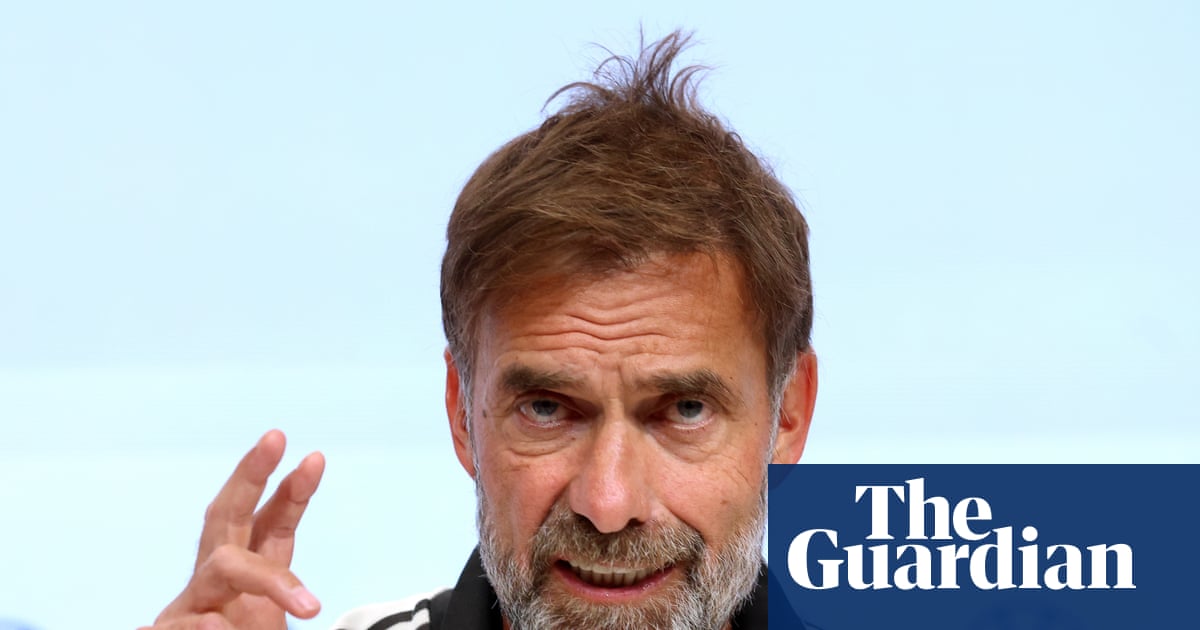
Photo: The Guardian
A narrow 1-0 Nations League defeat to Greece sparked online controversy over the ethnic composition of the German squad, but Jürgen Klopp has moved swiftly to shut down the discussion. Taking over the national side during the summer, the manager directly addressed the tense atmosphere swirling around his dressing room.
What happened
The previous Sunday brought an unprecedented on-pitch low for the four-time world champions, who fell 1-0 to Greece in Nations League action. Never before in their history had Germany lost to this opponent, and the sporting stumble triggered instant condemnation of the group's performance.
Yet the fallout rapidly crossed into social media debates questioning whether the national roster was sufficiently white. Confronted with the online discourse during his press conference, Klopp categorically condemned the discussion and distanced the squad entirely from internet commentary.
Dismissing the noise with obvious contempt, the German manager refused to grant legitimacy to the narrative. "There is absolutely no reason to pay attention to these people. You won’t get my thoughts on this. I have little time in everyday life for idiocy – and even less on social media," Klopp declared.
The coach also drew a sharp contrast between modern online discourse and the culture cultivated in high-performance sports environments. "The world could learn a thing or two from a sports changing room … There, everyone is respected based on the facts and not discredited based on false opinions. Full stop," he underlined.
The opposing forces
Klopp's stance lands against a backdrop where the national team routinely finds itself entangled in ideological battles. Lawmakers from the AfD party have openly attacked the squad's multicultural makeup, seizing upon negative results to renew their criticisms of the group's demographic background.
Against this political friction, Klopp operates from a position of considerable security. Backed by a four-year contract through to World Cup 2030, the manager possesses the standing and time needed to insulate his players from outside hostility.
His firm line is designed to shield elite athletic preparation from bad-faith culture wars. By emphasizing meritocracy and unity within the squad, the management team aims to prevent non-sporting hostility from impacting performance and collective morale.
Whether the German football federation will issue an official stance mirroring Klopp's comments remains to be seen. For now, the public defence of the dressing room rests entirely on the manager's personal leadership.
Why it matters
The German national side remains an influential cultural pillar, where sporting setbacks frequently spill into broader societal debates. Sufficing as a flashpoint, the first loss to Greece in history gave immediate fuel to long-simmering prejudices in the public sphere.
Historically treated as a metric for integration within the country, the team often sees its diversity celebrated during triumphs and targeted during slumps. Rhetoric advanced by AfD politicians seeks to leverage sporting frustration into ideological capital, using competitive slip-ups to question player identity.
Within an elite dressing room, tactical focus relies on trust and complete separation from political agendas. By stepping in to shield the squad, the coach protects team cohesion against outside factions eager to split the collective along racial lines.
What comes next
There is little time for outside noise to linger, with international fixtures arriving in rapid succession. Germany play Thursday evening against Serbia in the Nations League, offering Klopp and his squad an immediate opportunity to bounce back on the pitch.
How supporters respond in the stands on Thursday remains to be seen, particularly after the historic loss and the political talking points that followed. The atmosphere during the Serbia clash will offer an early indicator of fan sentiment under the new regime.
Looking further ahead, Klopp's tenure is framed by a clear four-year timeline targeting the 2030 World Cup. Along that route, the coach's resolve to keep the squad focused on purely athletic targets will face regular examination whenever results dip and political pressure resurfaces.
Rewritten from a story published by The Guardian. View original article ↗
AI-assisted translation of the original article in Portuguese. Read in Portuguese