Guardiola stands by City leadership as Bernstein calls for mass resignations
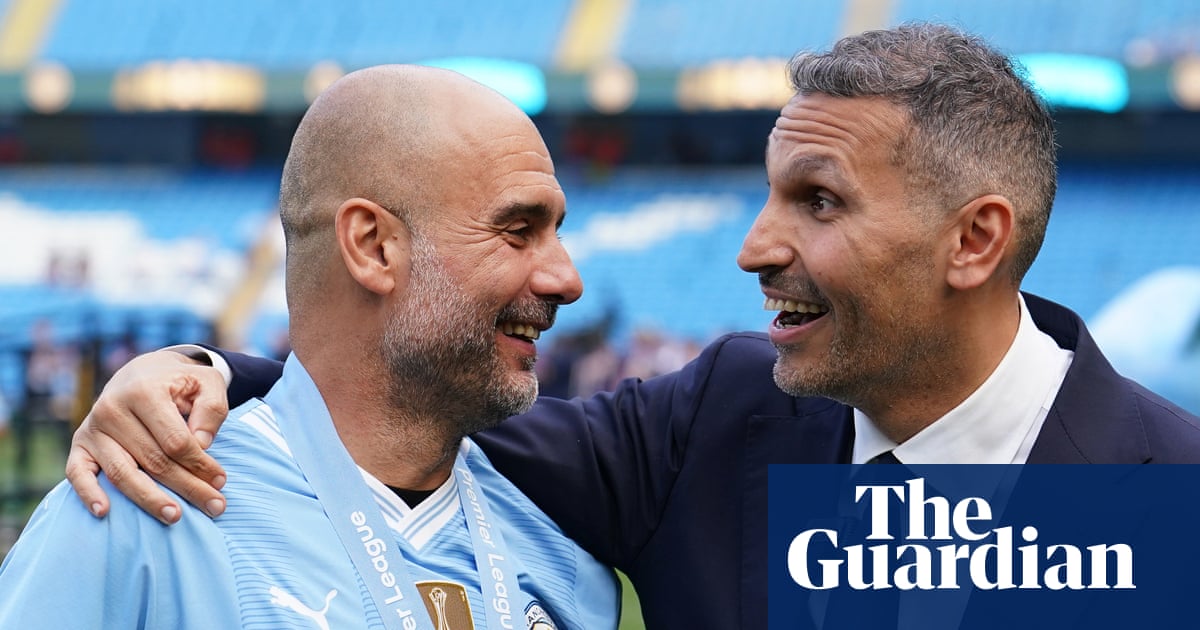
Photo: The Guardian
The Manchester City guilty verdict on all Premier League financial charges has already fractured the club's internal consensus on its future direction. Pep Guardiola took to social media to express absolute support for the club's leadership and its supporters, while David Bernstein, a former chairman, publicly demanded the immediate removal of the entire board.
What happened
The disciplinary process struck at the heart of City's financial operations following an investigation into irregularities spanning nine years. Formal charges were filed in February 2023 by the Premier League itself, launching an extensive independent inquiry. Faced with the guilty verdict now confirmed, Manchester City continues to maintain its innocence and has announced it will appeal the decision before the deadline this Friday.
The ruling arrives during a period of significant transition at the Etihad. Pep Guardiola, now 55, stepped down from his managerial position last summer, ending a decade-long tenure in which he collected 20 major trophies. The Spanish coach has not severed his institutional ties to the club, however, remaining active as global ambassador for the City Football Group.
During that ten-year period of technical leadership, Guardiola's relationship with the club's top executives grew considerably stronger. Enzo Maresca has now taken the managerial position, but Guardiola's moral influence remains undimmed among supporters and within the organization's sporting structure.
The statements and division
Guardiola's public response positioned him as the primary defender of the executive hierarchy led by Ferran Soriano. Through a detailed statement shared across his digital platforms, the former manager sought to reassure the fanbase of his personal loyalty during this judicial crisis.
"I want every single Manchester City fan across the world to know I am here; more than ever. I am, always have been, always will, be behind my club, my owner, my chairman, Ferran, the players, staff, Enzo and you, our unique supporters. Let me be clear: we will get through this together. I love you all," Guardiola stated, publicly shielding the club's management.
That stance faced direct opposition from David Bernstein, who served as Manchester City chairman between 1998 and 2003. For the former executive, the scale of the guilty verdict makes the current leadership's continued tenure untenable, requiring immediate internal action given the institutional gravity of the findings.
"If this was a public company of some sort, the directors would have to stand down or be suspended pending the outcome of all this, appeal or no appeal. I don't think the present management can credibly continue," Bernstein said, arguing that the guilty verdict has destroyed the leadership's legitimacy.
Elsewhere in the organization, the official stance aligns with the parent company. Andrée Jeglertz, manager of Manchester City Women, reaffirmed his institutional commitment at a moment when he prepares to host Real Madrid in a Women's Champions League tie, keeping the women's squad focused on their competitive duties.
Why it matters
Guardiola's position is more than a personal statement from a former employee—it represents the deployment of immense sporting capital to legitimize a corporate leadership now facing serious questions. In modern football, the prestige accumulated by highly successful coaches typically serves as a validation mechanism for supporters during severe institutional crises.
In his role as global ambassador for the City Football Group, Guardiola functions as a stabilizing force within the organization. This public shield aims to contain reputational damage to commercial partners and global investors, softening criticism from established club voices.
Bernstein's intervention, conversely, highlights the governance expectations placed on sporting institutions operating at a global scale. When major corporations face disciplinary verdicts, the scrutiny level approaches that applied to publicly traded companies.
What comes next
City's immediate legal priority involves submitting its formal appeal before the deadline closes this Friday. That submission will launch a new phase of litigation with Premier League authorities, seeking to overturn the sanctions entirely.
As legal proceedings unfold, external pressure on Soriano's administration will likely intensify across English sporting and business forums. The response from corporate sponsors and how other Premier League clubs react will determine how sustainable the current executive structure remains in the coming weeks.
Rewritten from a story published by The Guardian. View original article ↗
AI-assisted translation of the original article in Portuguese. Read in Portuguese