Anselmi stops the bleeding and secures Elche victory
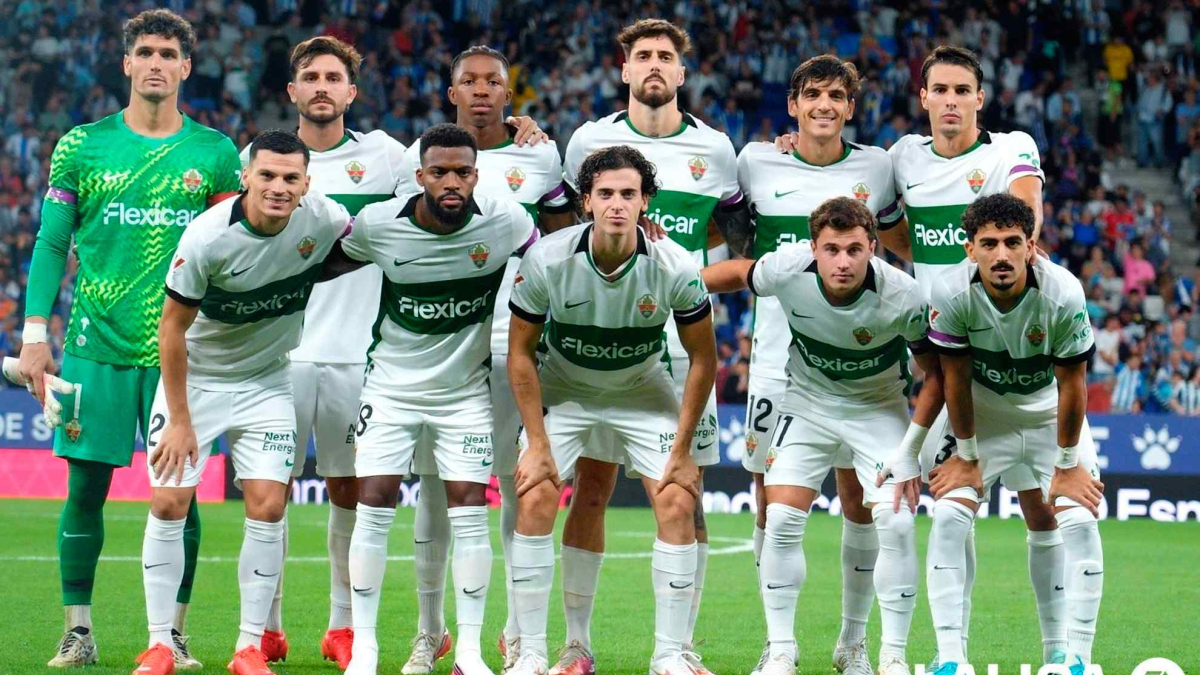
Photo: MARCA
Elche secured their first win in eight matches. They broke a cycle of dubious results at RCDE Stadium. But the story of the recovery extends beyond what the scoreline showed: the closure of the transfer window proved decisive in establishing the defensive stability that had been lacking since the start of the season. They had conceded 17 goals in seven matches before this victory. The change came both from the bench and on the pitch.
What happened
Anselmi's arrival reshaped Elche's dynamic, though the early moments revealed periods of initial doubt. The team faced a chaotic scenario in the first seven matches: conceding goals with worrying regularity and claiming results that did not satisfy the club's ambitions. The manager needed time to reorganise his ideas and implement a reliable defensive structure.
Simultaneously, the closure of the transfer window acted as a turning point. Three forwards departed, along with Aleix Febas and David Affengruber. This reduction created mental and tactical space for the team to focus on a clear priority: securing the defence before strengthening attacking creativity. Without surplus players competing for minutes, concentration turned towards immediate objectives.
The victory at Espanyol consolidated these combined effects. It was not merely a question of a positive result, but validation of a project that demanded structural changes, not just tactical ones. The previous context revealed oscillation: Sarabia had managed only one away win in the entire previous season, and entered this campaign with seven matches of uncertainty. Anselmi's arrival interrupted that pattern.
The numbers that explain the transformation
Three statistics illustrate the path taken. First, Elche conceded 17 goals in seven matches before the victory. This figure reveals a poorly disciplined defence, with structural problems that went beyond the individual ability of defenders. The vulnerability was systemic.
Second, Fer Niño emerged as the main attacking revelation with five goals scored. The striker became the reference point for the attacking project when the team needed simultaneously to seal the defence. The balance between offensive contribution and defensive consolidation characterises successful recoveries in La Liga.
The contrast between before and after is also visible in the previous trajectory: Sarabia and company played seven matches without achieving stability. Now, with the market closed and Anselmi in command, space emerges for different narratives. The numbers reveal that there was no tactical miracle: there was groundwork, departures that eased pressure in the dressing room, and the arrival of a manager willing to rebuild from the foundation.
Why this matters
In La Liga, defensive recovery is often quicker than offensive consolidation. Elche demonstrates this pattern: they managed to plug gaps after conceding 17 goals in seven matches, but still depend on revelations like Fer Niño to create consistent opportunities. The victory over Espanyol validates Anselmi's strategy, which prioritised stability over creativity.
For the club's ambitions until the end of the season, this change is essential. A poorly structured defence condemns any team in the top division, regardless of offensive quality. Elche chose to resolve the urgent problem, building solid foundations. From here, tactical investment can gradually shift towards strengthening the attack. This sequence is typical of clubs emerging from crises: defence first, then attack.
What comes next
One victory in eight matches alters narratives, but does not confirm trends. Elche now face a critical period: can they maintain the defensive stability they have achieved? Or will this victory be merely temporary relief before new cycles of uncertainty? The answer will come in the coming weeks, when consistency reveals itself through multiple results.
Anselmi's arrival opened a door. The closure of the market removed obstacles. The victory at Espanyol proved that the path exists. But La Liga does not forgive teams that drop their guard after a good performance. Elche must consolidate what they have started, transforming this famine-breaker into the regular language of recovery.
Rewritten from a story published by MARCA. View original article ↗
AI-assisted translation of the original article in Portuguese. Read in Portuguese